If you have been watching Southern California for a market with real city energy, outdoor access, and a broader range of housing than many people expect, Riverside deserves a closer look. This is not just a place people pass through on the way to somewhere else. It is a regional hub with its own history, institutions, and housing story, and that matters when you are thinking about lifestyle, long-term ownership, or future flexibility. Let’s dive in.
Why Riverside Stands Out
Riverside presents itself as a major Southern California center with roots going back to 1870 and a population of more than 317,558 residents. The local economy is supported by advanced manufacturing, retail, services, higher education, medical facilities, agriculture, and clean-tech activity. That mix helps explain why Riverside feels more balanced than a market built around just one industry.
The city also positions itself as the economic center of one of the country’s fastest-growing regions. Its Innovation District stretches across downtown, the Eastside, and UC Riverside, which adds another layer to the story. If you are evaluating a market for both daily livability and long-range potential, a local job base and institutional presence can be a meaningful part of the equation.
Riverside Lifestyle Has Real Depth
One of Riverside’s biggest strengths is that it offers more than one version of city life. You can find historic character, educational anchors, medical services, trails, parks, and neighborhood variety all within the same city. That gives Riverside a more layered feel than a one-note suburban market.
Higher education and healthcare are especially important here. UC Riverside reported nearly 8,300 first-year and transfer students in fall 2025, the largest entering class in its history, while Riverside Community Hospital reports 542 beds and more than 100 years of service in the Inland Empire. Those kinds of institutions support both activity and steady demand across the city.
Downtown Riverside Offers Identity
Downtown Riverside is the city’s civic and cultural core, and that identity shows up quickly when you spend time there. The street grid dates back to 1870, and the area includes more than a dozen National Register historic sites along with more than 30 city-designated landmarks. For buyers who care about place, that kind of history gives downtown a distinct sense of character.
The area also brings together many of the city’s key institutions. Downtown includes City Hall, the Main Library, Riverside City College, county offices, courts, the Mission Inn Museum, the Riverside Art Museum, and UCR ARTSblock. Rather than feeling like a district with one attraction, it functions as a center for civic life, arts, and everyday activity.
The Main Street pedestrian mall adds to that experience. With trees, shops, restaurants, and museums nearby, the downtown core has a more walkable feel than many people expect in the Inland Empire. The city also points to nearby access to Mount Rubidoux and Fairmount Park, which helps connect urban life with outdoor recreation.
Outdoor Living Is Part of Daily Life
Riverside’s outdoor amenities are not just a bonus. They are a core part of how many people experience the city. The local trail network includes options for different ability levels, with notable routes at Mount Rubidoux, the Santa Ana River Trail, Sycamore Canyon Wilderness Park, and Victoria Avenue.
Mount Rubidoux is one of the city’s signature landmarks. It is a 161-acre park with about 3.5 miles of paved roads and several dirt trails, and it has long-standing public traditions tied to it, including Easter sunrise services and Fourth of July fireworks. For many residents, it is both a scenic destination and a regular part of everyday movement.
Fairmount Park is another major asset. The city describes it as one of Riverside’s most beloved historic parks, covering more than 200 acres along the Santa Ana River and functioning as a regional hub for recreation, culture, and community life. That kind of open space can make a city feel more livable, especially when you want options beyond home and work.
Sycamore Canyon Wilderness Park further supports Riverside’s outdoor character. City materials note hiking and mountain biking opportunities there, while the broader Santa Ana River corridor reinforces the city’s connection to open space. If your version of lifestyle includes being outside without leaving town, Riverside has a strong case.
The Housing Mix Is More Varied Than Many Expect
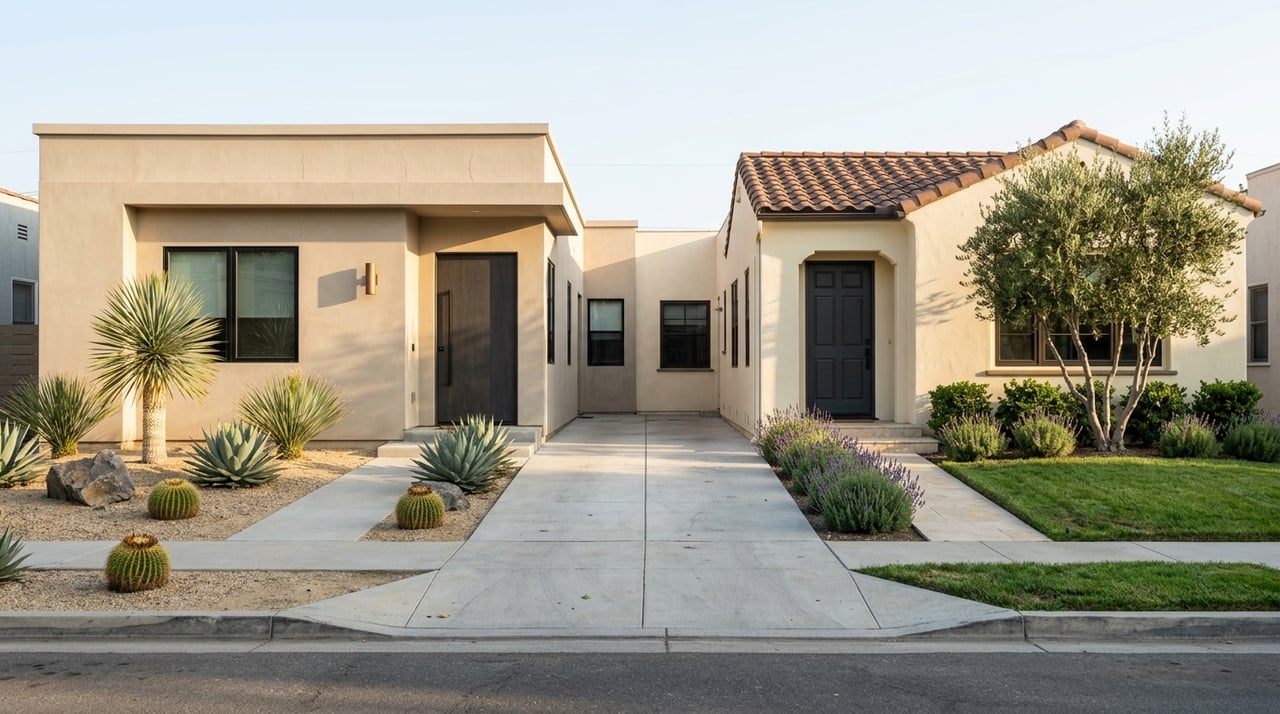
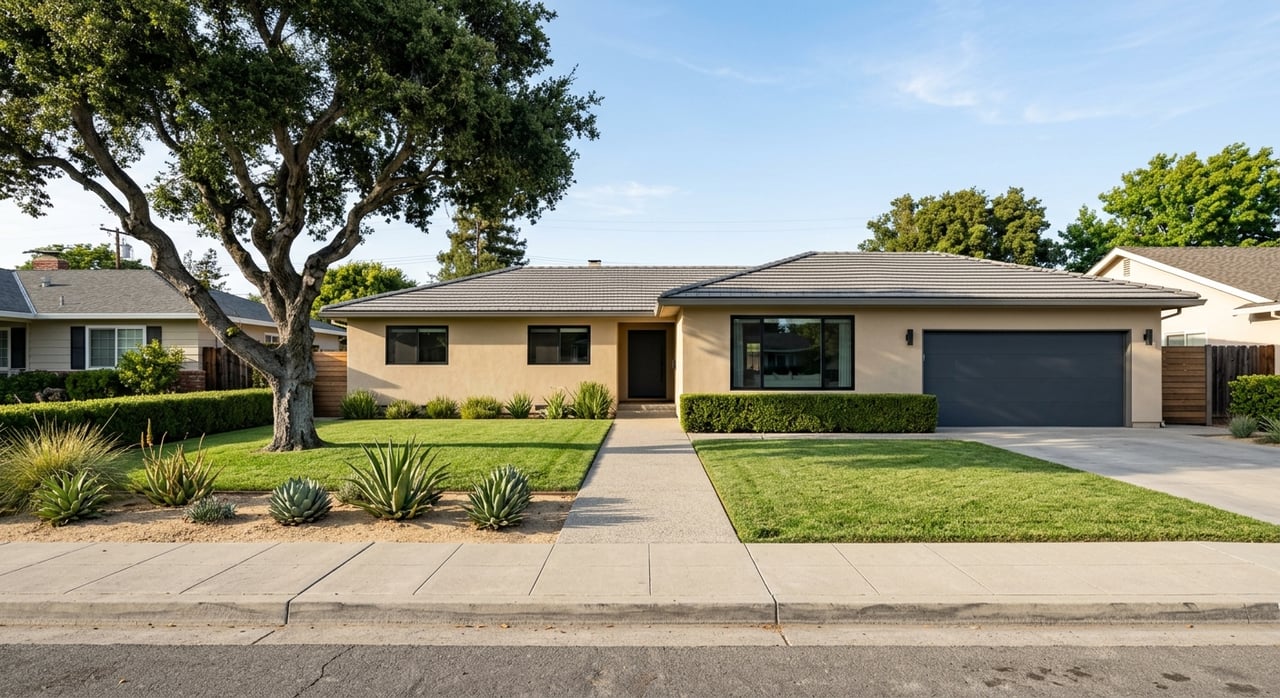
Riverside’s housing stock is still led by detached homes, but it is far from uniform. According to the city’s 2025-2030 HUD Consolidated Plan, 68% of the housing stock is single-family, 30% is multi-family, and 2% is mobile homes. The same plan says 86% of ownership housing has three or more bedrooms, which helps explain why Riverside remains relevant for buyers looking for more space.
What makes the market interesting is the neighborhood-level variation. The city describes Riverside as a place where you can find brand-new housing tracts, historic districts, and many options in between. That range can be useful whether you are prioritizing architecture, access, housing type, or future flexibility.
For example, Wood Streets is known for largely pre-World War II housing. The University neighborhood includes student apartments and hillside housing. Northside includes bungalow-style homes, tract homes, condos, apartments, and planned communities, while Mission Grove is identified as a newer area with single-family homes, apartments, condominiums, retail, and office uses.
That breadth gives Riverside a wider appeal than markets where the inventory feels repetitive. It also means your search needs to be more specific. A strategic approach matters here because two areas in the same city can offer very different ownership experiences.
ADUs Add Flexibility for Owners
One of Riverside’s more practical real estate angles is its ADU framework. The city states that, as of January 1, 2020, all residential properties in Riverside are eligible to create at least one accessory dwelling unit and one junior accessory dwelling unit. For buyers and owners, that opens up additional possibilities.
Depending on your goals, that may support multi-generational living, guest space, work-from-home separation, or added rental flexibility. It does not mean every property is equally simple to adapt, but it does show that the local environment supports small-scale residential flexibility. For people thinking beyond the initial purchase, that can be an important part of value.
What the Market Looks Like Now
Current public data points to Riverside as a mid-$600,000s market, though the exact figure depends on the source and the metric used. Redfin reported a March 2026 median sale price of $630,000 with homes taking 49 days to sell. Zillow’s April 30, 2026 update showed an average home value of $648,603 and homes going pending in about 19 days.
Realtor.com showed a $698,000 median listing price, 954 homes for sale, a $2,595 median rent, and 42 median days on market. Taken together, the cleanest read is a market in the mid-$600,000s with active turnover and a meaningful rental layer. That should be treated as directional rather than absolute, but it offers a useful snapshot for buyers, sellers, and investors watching the area.
What Riverside Means for Buyers and Investors
Riverside’s emerging-hub story is strongest when you look at the full picture. You have a historic downtown, a growing university presence, a major hospital anchor, extensive parks and trails, and housing options that range from older homes to newer multi-family and tract product. That is a broad foundation for a city’s housing market.
For buyers, the appeal may be neighborhood variety and a stronger sense of identity than you find in more interchangeable markets. For investors or owners with a long horizon, the more compelling angle is not hype. It is Riverside’s mix of institutional demand, housing diversity, and built-in flexibility through options like ADUs.
If you are comparing Southern California markets, Riverside is worth viewing through both a lifestyle lens and an asset lens. The city has enough cultural depth to feel established and enough growth infrastructure to keep attracting attention. That balance is often what makes a market more interesting over time.
Whether you are evaluating a move, a rental-oriented purchase, or a property with long-term upside, clarity matters. If you want a strategic conversation about real estate through a lifestyle and portfolio lens, connect with Jesse Halberstadt.
FAQs
What makes Riverside, CA different from other Inland Empire cities?
- Riverside stands out for its historic downtown, major institutions like UC Riverside and Riverside Community Hospital, extensive parks and trails, and a housing mix that ranges from historic homes to newer developments.
What is the current Riverside, CA home price range?
- Public market data from spring 2026 suggests Riverside is generally a mid-$600,000s market, with reported figures ranging from a $630,000 median sale price to a $698,000 median listing price depending on source and measurement.
What types of homes are common in Riverside, CA?
- The city’s housing stock is mostly single-family homes at 68%, with multi-family housing at 30% and mobile homes at 2%, plus neighborhood variation that includes historic houses, condos, apartments, and newer tract-style homes.
Are ADUs allowed on residential properties in Riverside, CA?
- Yes. The city says all residential properties in Riverside are eligible to create at least one accessory dwelling unit and one junior accessory dwelling unit, subject to local rules and property-specific considerations.
Is Downtown Riverside, CA a walkable area?
- Downtown Riverside has a pedestrian-oriented Main Street mall lined with shops, restaurants, and museums, along with a concentration of civic and cultural institutions that support a more walkable urban core.
What is the Riverside, CA lifestyle like for outdoor recreation?
- Riverside offers trails and open space across the city, including Mount Rubidoux, Fairmount Park, the Santa Ana River Trail, Sycamore Canyon Wilderness Park, and Victoria Avenue.